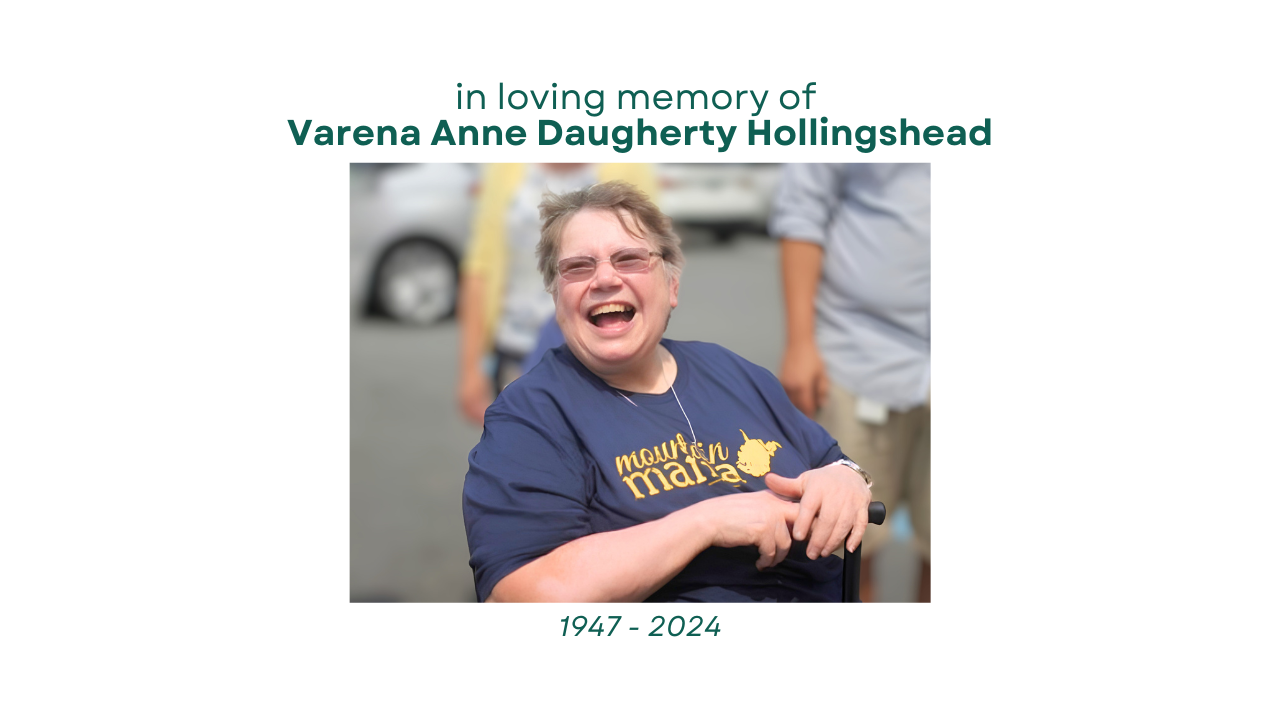
How many women have died too soon because our healthcare system isn’t set up to serve them?
Jodi Hollingshead
Morgantown, West Virginia

Jodi Hollingshead’s story exposes how systemic bias in healthcare can delay diagnoses, diminish quality of care, and ultimately cost lives. Her mother, Verena, lived for years with symptoms and a devastating family history consistent with pulmonary fibrosis, yet she was never formally diagnosed with the disease that likely killed her. Instead of investigating the full scope of her symptoms and genetic risk factors, many providers attributed her chronic pain, fatigue, shortness of breath, and declining mobility to her weight. Her experience reflects a broader pattern in healthcare where women — particularly women in larger bodies — often have their symptoms minimized or oversimplified rather than thoroughly examined. The result can be years of delayed care, missed diagnoses, and preventable suffering.
Her story also highlights how gaps in diagnostic care create ripple effects throughout the healthcare system. Because Verena never received a formal diagnosis, she and her family were denied access to the specialized care plans, resources, treatment pathways, and realistic prognoses that could have improved both her quality of life and end-of-life care. Without clarity from providers, her family believed for years that her condition was less serious than it truly was. By the time a pulmonologist finally suggested hospice, they were told she may have a year left to live — she died just three weeks later. That devastating timeline illustrates how failures in communication, diagnostic accuracy, and continuity of care can leave families unprepared to navigate serious illness, caregiving responsibilities, and complex healthcare systems involving insurance, rehabilitation facilities, and hospice care.
At its core, Jodi’s testimony speaks to the broader structural inequities embedded within women’s healthcare. Her mother’s experience reflects longstanding issues in medical research and clinical practice, where women’s symptoms are more likely to be dismissed, misattributed, or insufficiently studied. Weight bias, in particular, can prevent providers from looking deeper into underlying conditions, especially when symptoms overlap with stereotypes about body size or aging. Jody’s story is a powerful reminder that healthcare outcomes are shaped not only by medical technology or insurance coverage, but by whether patients are truly heard and believed. It underscores the need for more comprehensive provider training, improved diagnostic accountability, greater research into conditions affecting women, and healthcare systems that prioritize listening to patients before it is too late.