
Ellen Allen: Cheaper mastectomy bra won’t fix big ugly bill (Opinion)
Cancer survivors need more than an affordable prosthetic. They deserve the healthcare that will allow them to become cancer survivors.
Cancer survivors need more than an affordable prosthetic. They deserve the healthcare that will allow them to become cancer survivors.

By Ellen Allen This Op-Ed was originally published July 28, 2026 by Charleston Gazette-Mail. Healthy babies […]
*This Op-Ed was originally published by Charleston Gazette-Mail on June 18, 2026. Ellen Allen, Executive Director […]
Efforts like The Fulcher Legacy Fund are powerful, necessary and deeply meaningful — but they are not a substitute for real solutions. Addressing medical debt at its root requires policy change: stronger consumer protections, expanded financial assistance and a health care system that prioritizes people over profit. It means reinforcing programs like Medicaid that provide a critical foundation for families across the state.

In West Virginia, health care isn’t just part of the economy — it IS the economy. And if we fail
to protect it, everything else is at risk.

In just days, the escalating conflict with Iran has already cost the United States an estimated $6 billion. Those same billions could have protected Americans’ health coverage instead.
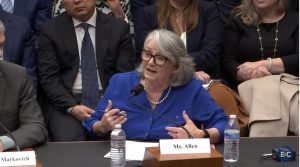
Last month, I had the rare privilege of testifying before the health subcommittee of the United States House Energy and Commerce Committee….I came away with mixed impressions.
When federal leaders retreat from their responsibility, West Virginians are left to absorb the damage.
The tax credits are ending because policymakers are choosing to end them. Premiums are rising because policymakers are dismantling the support that kept them down. Coverage will be lost because no meaningful replacement was enacted.
New national polling from KFF, a leading health policy nonprofit, shows just how serious the situation is. About 84% of ACA enrollees — including strong majorities across the political spectrum — want Congress to restore the tax credits that help almost 22 million Americans afford coverage. This is not a partisan issue. It is an economic necessity.