
“I underwent a myomectomy to remove the uterine fibroids right before I got married and it was a blessing because I was able to have a baby safe and securely.”
– Traci Phillips
Charleston, West Virginia
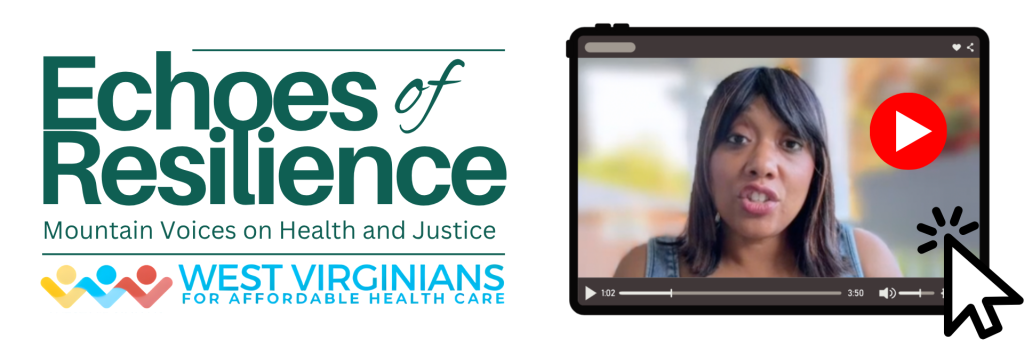
Traci Phillips’ story highlights how access to quality healthcare in West Virginia is often shaped less by medical need and more by geography, employment, insurance coverage, and provider availability. Her experience demonstrates the critical role that stable health insurance and long-term relationships with trusted providers can play in women’s health outcomes. Traci was fortunate to have consistent access to a primary care physician who knew her medical history and prioritized preventative care and screenings over decades. She was also able to access specialized reproductive healthcare and surgery through employer-sponsored insurance when uterine fibroids threatened her fertility and future pregnancy. But embedded in her story is an uncomfortable reality: many West Virginians do not have those same advantages, and their outcomes may look very different because of it.
Her testimony also underscores the fragility and inequity of healthcare access in rural states like West Virginia. Traci openly questions whether she would have received the same timely treatment had she been uninsured, underinsured, or reliant on different coverage such as Medicaid. That concern reflects broader systemic issues around affordability, reimbursement, and uneven access to reproductive healthcare services across the state. In many rural communities, specialist care is scarce, maternity services have closed, and patients are forced to travel long distances for care. Traci’s experience working in perinatal telehealth revealed both the depth of those gaps and the importance of investing in solutions that connect rural patients to specialists in Charleston, Huntington, and Morgantown. Her story illustrates how telemedicine can help bridge longstanding healthcare disparities, particularly for pregnant women in medically underserved areas.
At its core, Traci’s story is about the policies and systems that quietly determine who gets access to care, who receives preventative treatment, and who can build a healthy family. Her experience reflects how healthcare access is deeply tied to employment, insurance stability, and public investment in rural healthcare infrastructure. It also highlights the broader consequences of political decisions around reproductive healthcare, Medicaid, telehealth, and women’s health services. Traci’s appeal to lawmakers is ultimately a call for empathy and accountability — a reminder that healthcare policy is not abstract legislation, but something that directly shapes the lives, health, and futures of women and families across West Virginia.