
The last time I went to my PCP, I came in tears…I was like, “If something doesn’t change, I’m gonna die.”
– Katie Shepherd
Bluefield, West Virginia
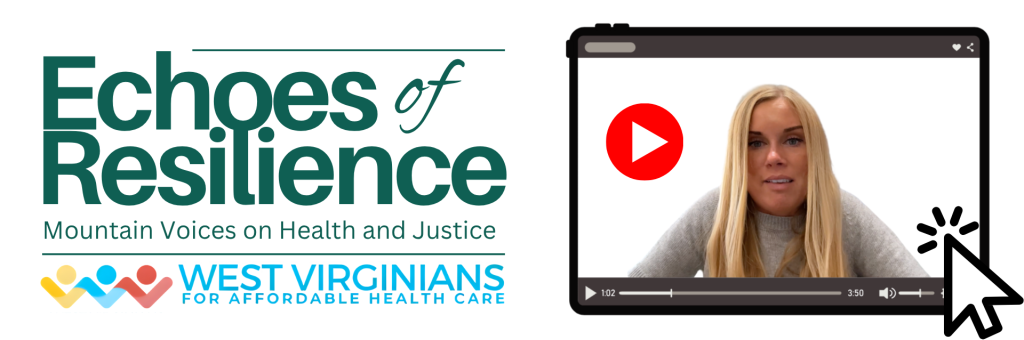
Katie Shepherd’s story is not simply about one missed diagnosis — it is a reflection of deeper systemic failures in maternal healthcare, particularly around how women’s symptoms are dismissed, minimized, or explained away. Despite being a trained nurse who recognized that something was seriously wrong, Katie repeatedly encountered a healthcare system that defaulted to reassurance rather than investigation. Her concerns were attributed to “normal” postpartum hormones even as her blood sugar levels reached dangerous levels and her lab work clearly indicated severe insulin deficiency. Her experience exposes a dangerous gap in postpartum care, where follow-up after high-risk pregnancies like gestational diabetes is often inconsistent, fragmented, and insufficiently prioritized.
Her story also highlights how heavily the healthcare system relies on self-advocacy — something many patients are not equipped, empowered, or resourced to do. Katie ultimately survived because she had medical knowledge, understood abnormal lab results, and persisted until another provider listened. But most women do not have clinical training or insider knowledge to navigate dismissive care. This creates a structural inequity in which outcomes depend not only on access to healthcare, but on whether a patient is believed. Women, particularly postpartum women, are too often conditioned to accept exhaustion, pain, and physical decline as “normal,” even when those symptoms signal life-threatening conditions. The burden should not fall on patients to fight for care while simultaneously recovering from childbirth and caring for newborns.
At its core, Katie’s experience underscores broader policy failures around maternal health in West Virginia and across the country: inadequate postpartum monitoring, gaps in continuity of care between OB-GYNs and primary care providers, limited provider education on postpartum complications, and a healthcare culture that too often dismisses women’s voices. Her story is a reminder that maternal mortality and morbidity are not only about access to hospitals or insurance coverage — they are also about whether healthcare systems are designed to listen to women before a crisis occurs. When warning signs are ignored and care is delayed, preventable suffering becomes normalized. Katie’s call for systemic change is ultimately about accountability: ensuring that women are heard, believed, and treated before complications become catastrophic.