
…I have other issues to deal with as far as children and jobs, and sometimes just getting there within the hours everybody is available is hard.
– Amanda Miller
Charleston, West Virginia
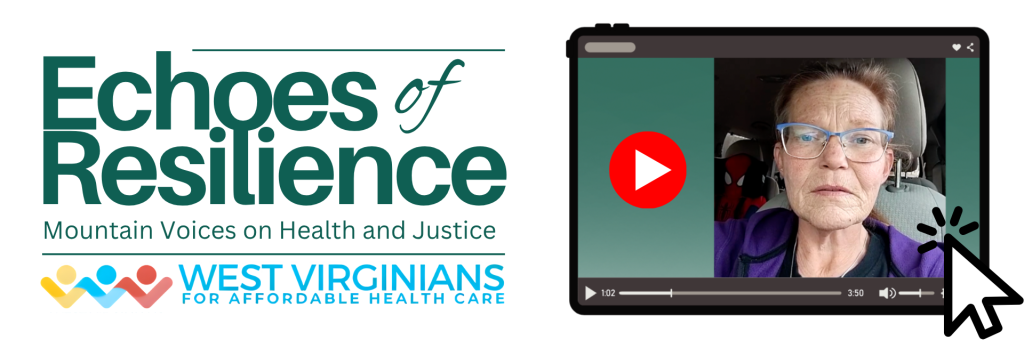
Amanda Miller’s story illustrates how access to healthcare in West Virginia is deeply influenced by geography, transportation, insurance coverage, and the practical realities of everyday life. Living in Kanawha County, Amanda has benefited from relatively strong access to providers, public transportation, and a variety of coverage options over the years, including private insurance, Medicaid, Medicare, rural health clinic programs, and sliding-scale services. Yet even with those advantages, she describes the challenges of coordinating appointments while working, caring for children, and supporting multiple family members. Her experience demonstrates that healthcare access is about more than the presence of providers—it also depends on whether patients can realistically reach appointments, arrange transportation, take time away from work or caregiving responsibilities, and navigate increasingly complex healthcare systems. For many West Virginians living in rural communities, these logistical barriers are magnified by long travel distances, high transportation costs, and limited specialist availability.
Amanda’s testimony also underscores the critical role that public health clinics and community health programs play as healthcare safety nets. When she sought treatment for a sexually transmitted infection while uninsured and recovering from an abusive relationship, the Kanawha-Charleston Health Department provided affordable care in a compassionate, nonjudgmental environment. Staff not only treated her medical condition but also helped reduce the fear, shame, and trauma surrounding her diagnosis while connecting her with additional treatment options. Her experience demonstrates that public health programs do far more than provide clinical services—they offer dignity, education, and support for patients who may be navigating financial hardship, domestic violence, or other vulnerable circumstances. At the same time, Amanda notes that social stigma and public demonstrations outside reproductive health facilities can create additional emotional barriers for individuals simply seeking routine healthcare.
Beyond her own experiences, Amanda highlights broader systemic challenges affecting families across West Virginia. She describes relatives who struggle to find transportation, disabled family members who lack adequate caregiving support to attend appointments, and patients who must travel hours for specialty care unavailable in their communities. She also points to insurance requirements and administrative barriers that can delay or prevent medically appropriate treatment, including procedures that could significantly improve quality of life. Her story reinforces that healthcare equity requires more than insurance coverage alone. It demands investments in rural healthcare infrastructure, transportation assistance, caregiver support, accessible specialty services, and public health programs that ensure every West Virginian—regardless of where they live, how much they earn, or what coverage they have—can obtain timely, compassionate, and affordable care.
Hear more reproductive health justice stories from real women in West Virginia.